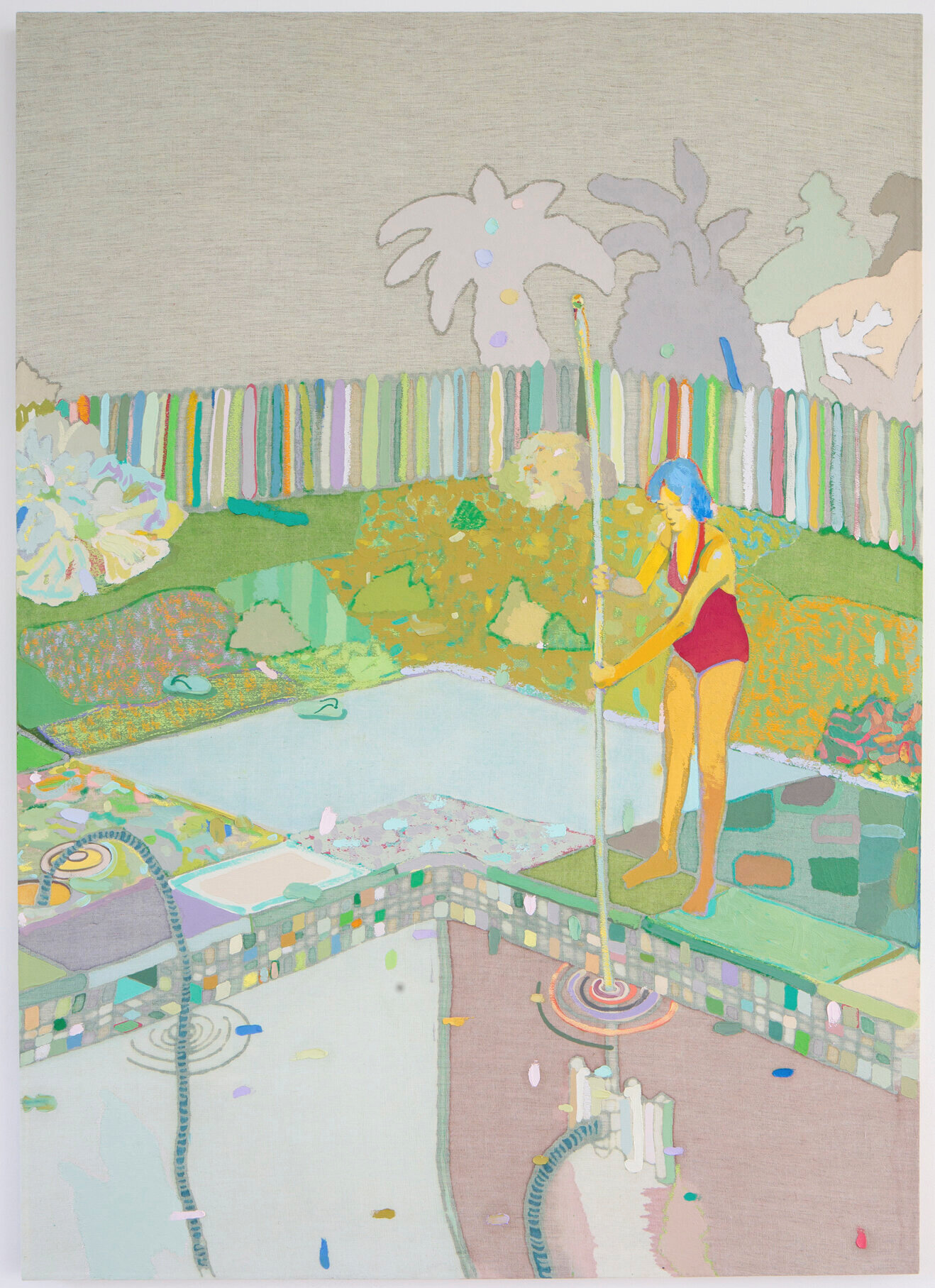
Oil, oil pastel, and fabric dyes on Moroccan linen
60 x 44 in
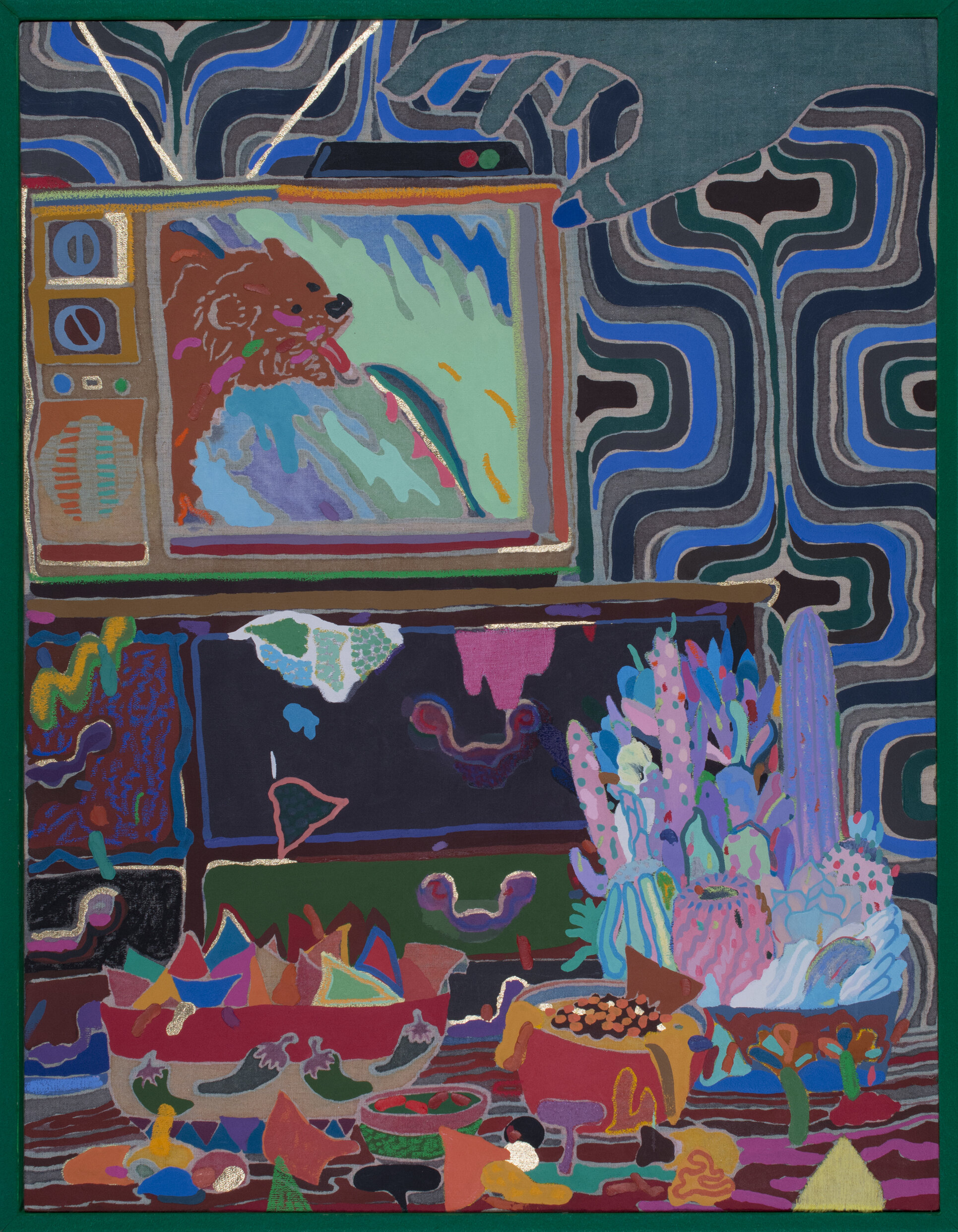
Oil, oil pastel, pool table felt, and fabric dyes on Moroccan linen
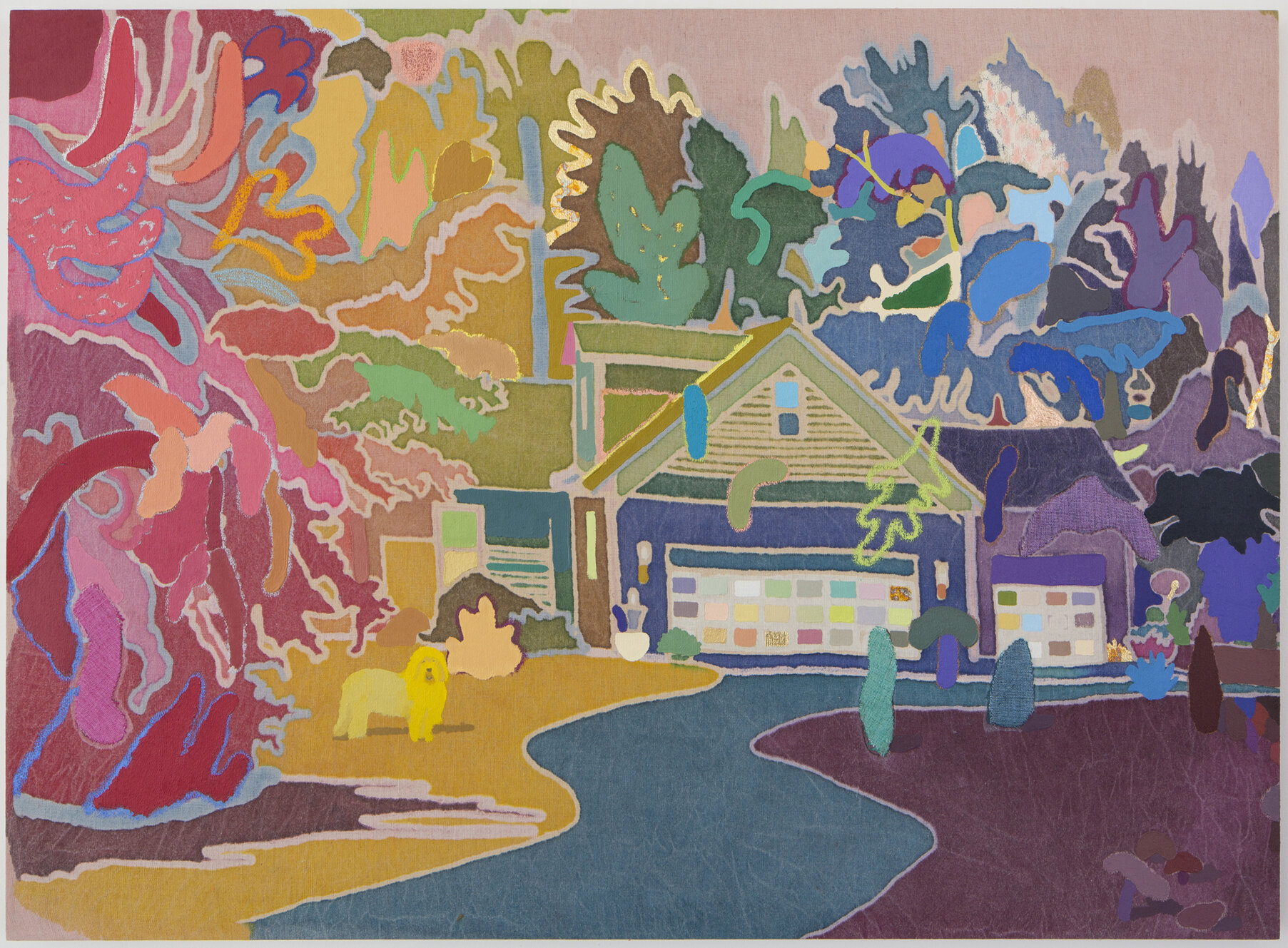
Oil, oil pastel, variegated red leaf, cut fabric, and fabric dyes on Moroccan linen
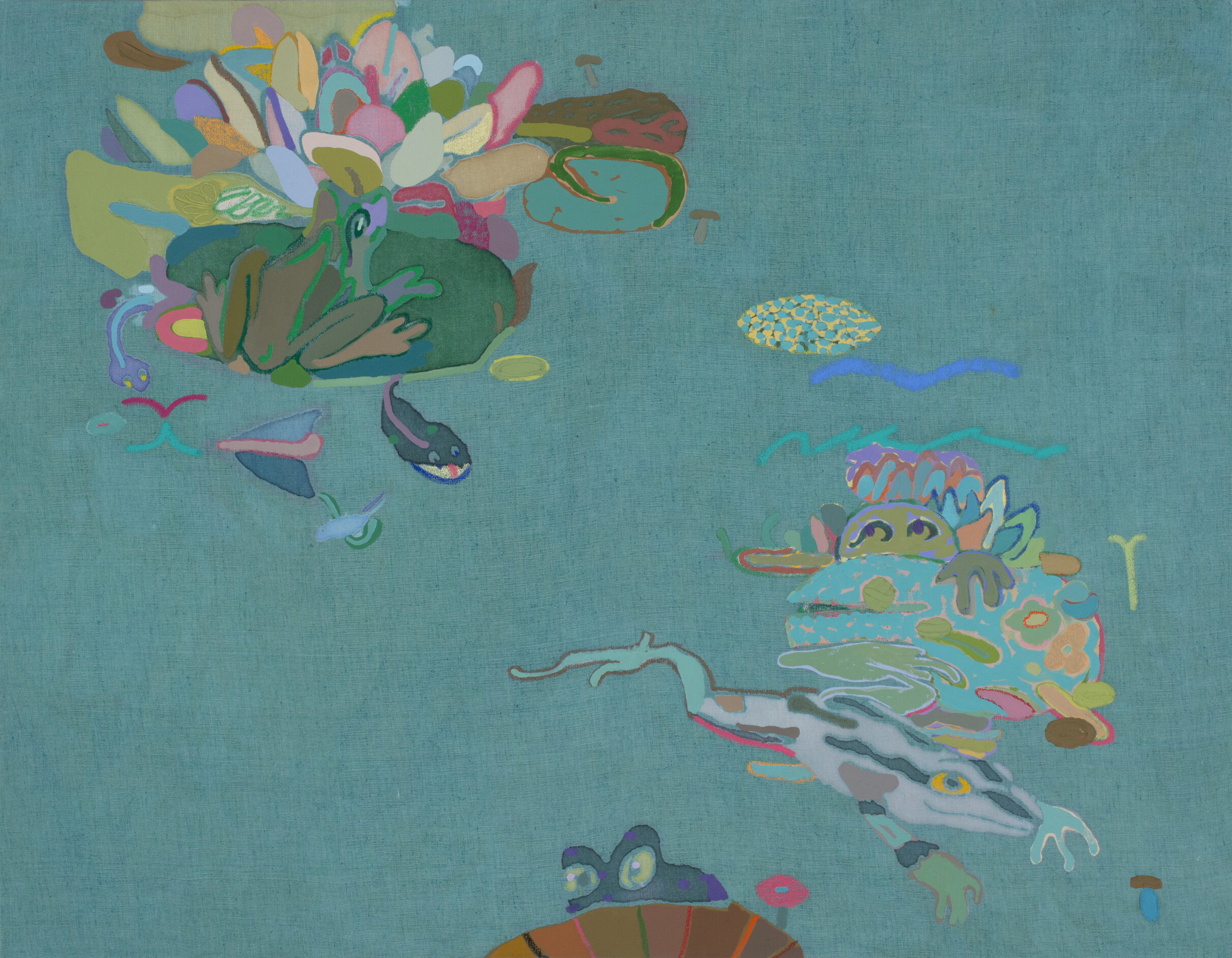
Oil, oil pastel, and fabric dyes on Moroccan linen
45 x 58 in
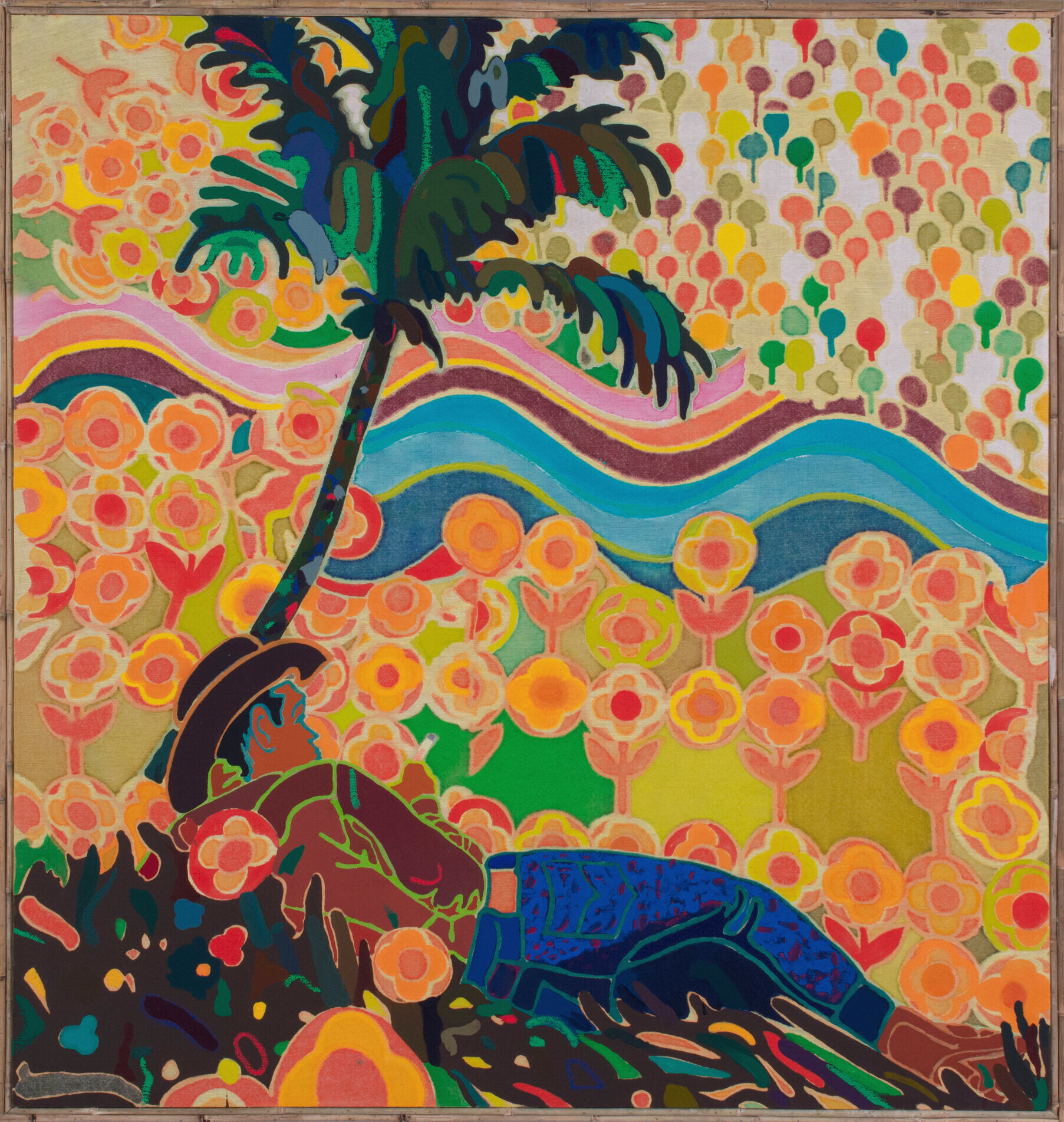
Oil, oil pastel, watercolor, bamboo and fabric dyes on Moroccan linen
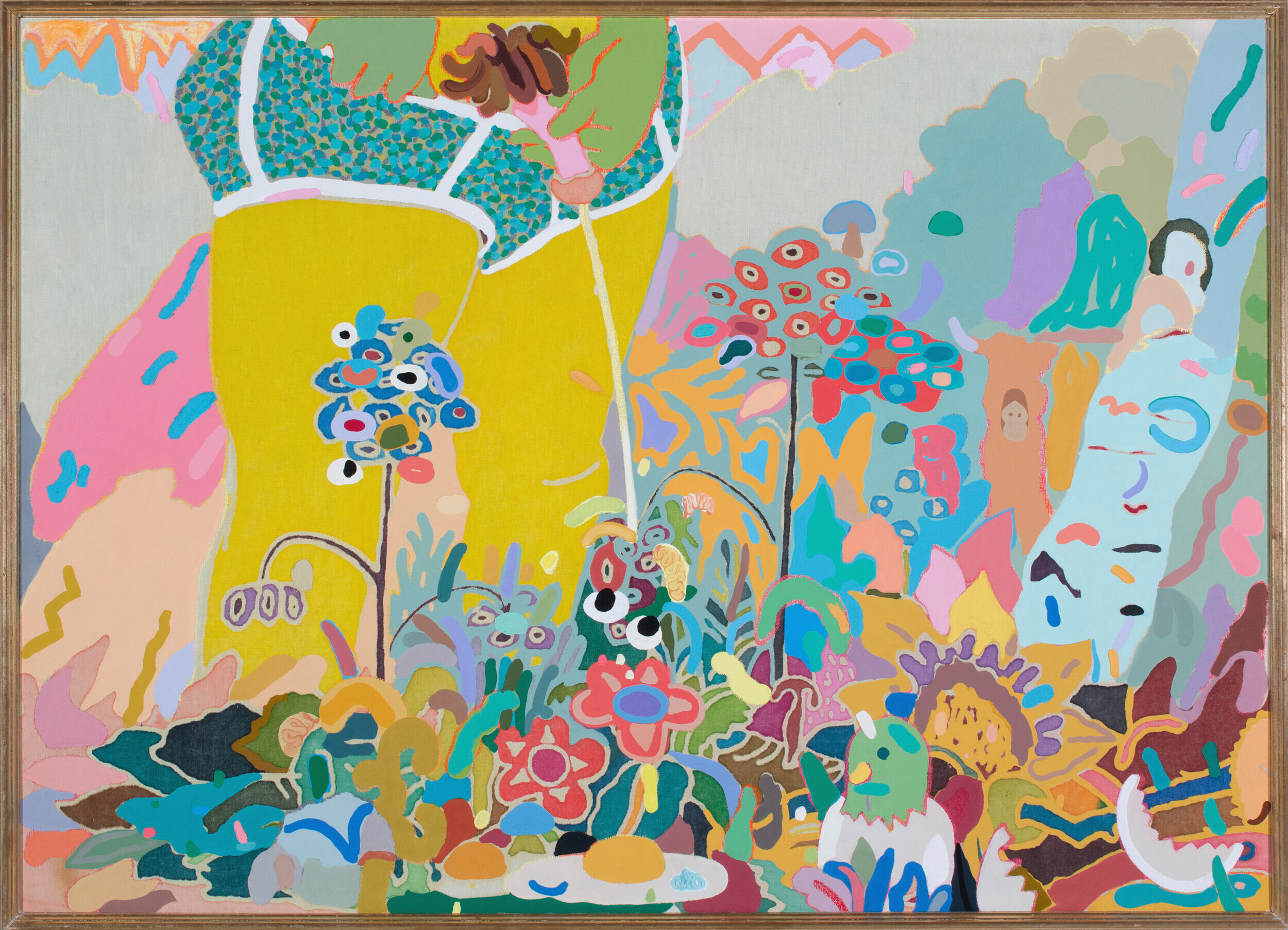
Oil, oil pastel, and fabric dyes on Moroccan linen
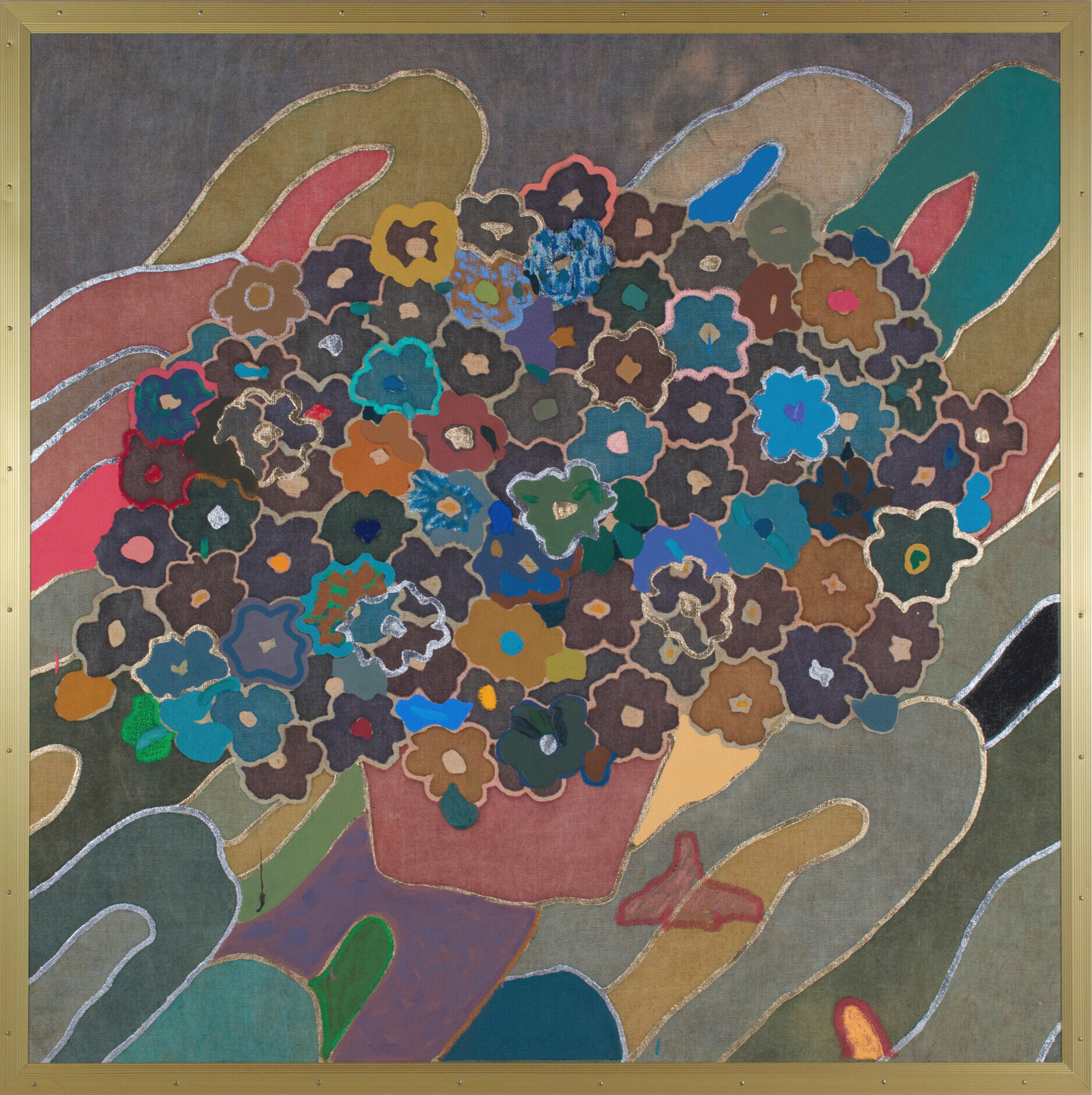
Oil, oil pastel, gold and silver leaf, fluted brass carpet trim, and fabric dyes on Moroccan linen
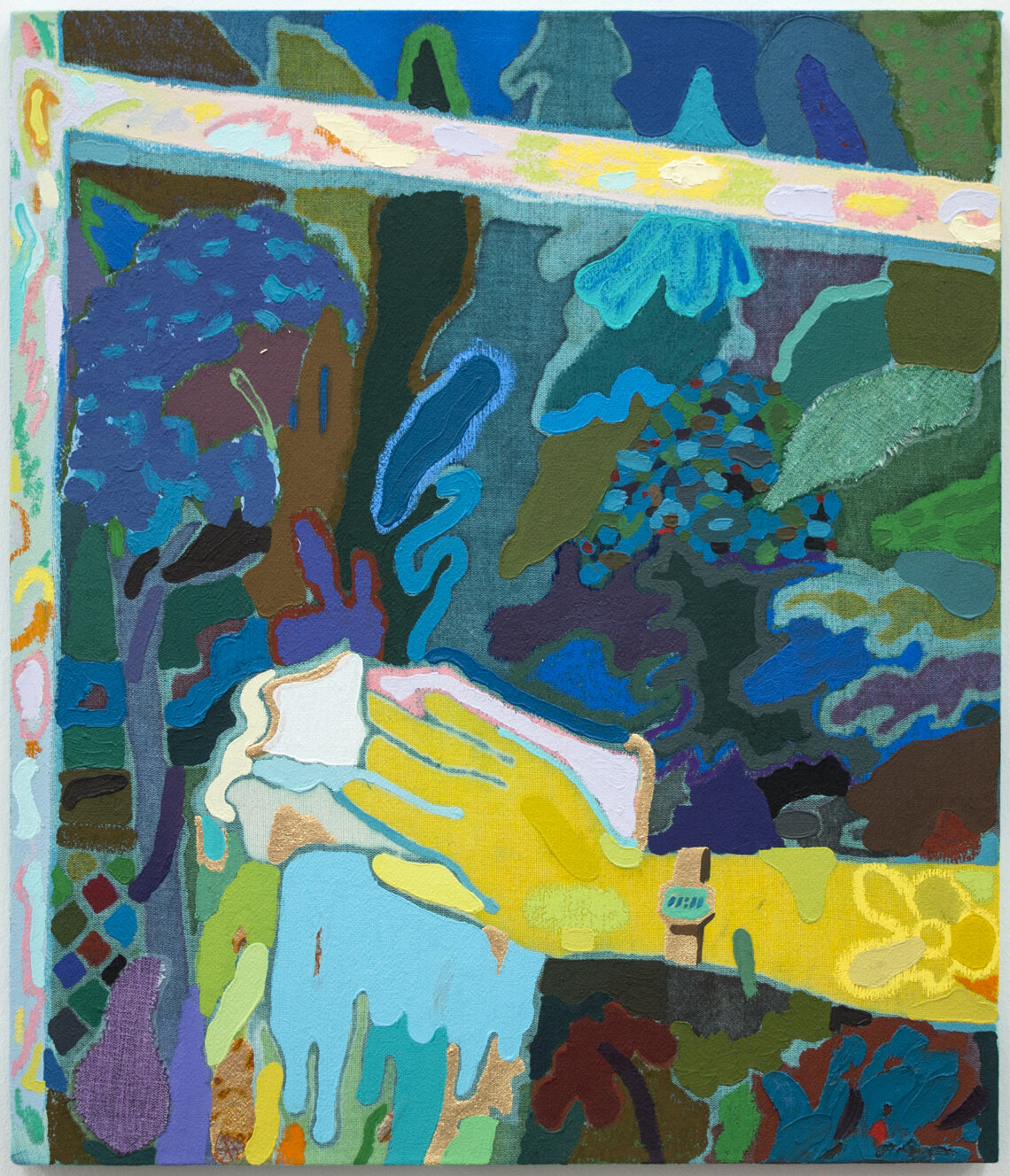
Oil, oil pastel, cut fabric, and fabric dyes on Moroccan linen
27.5 x 23.5 in
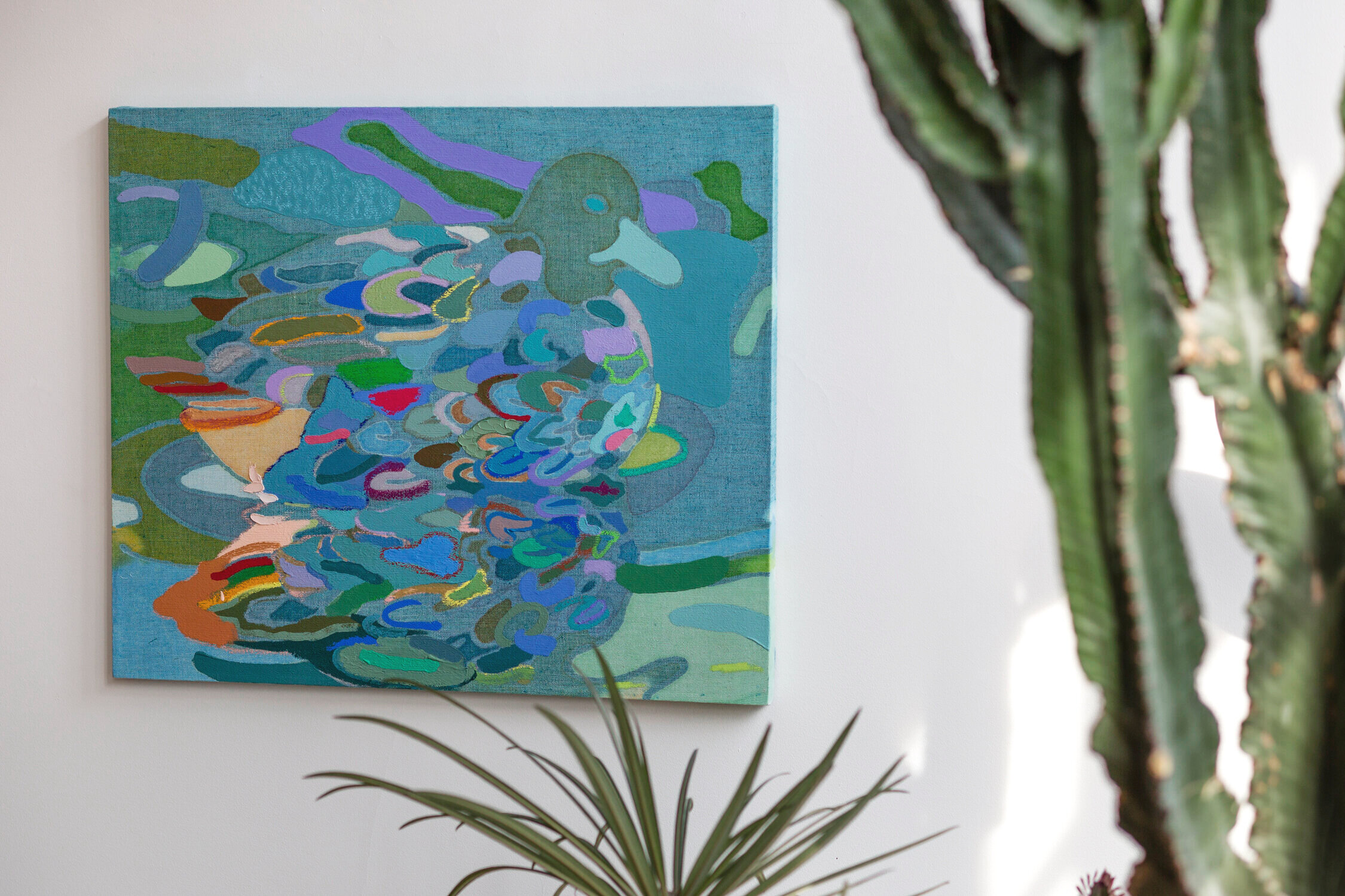
Oil, oil pastel, and fabric dyes on Moroccan linen
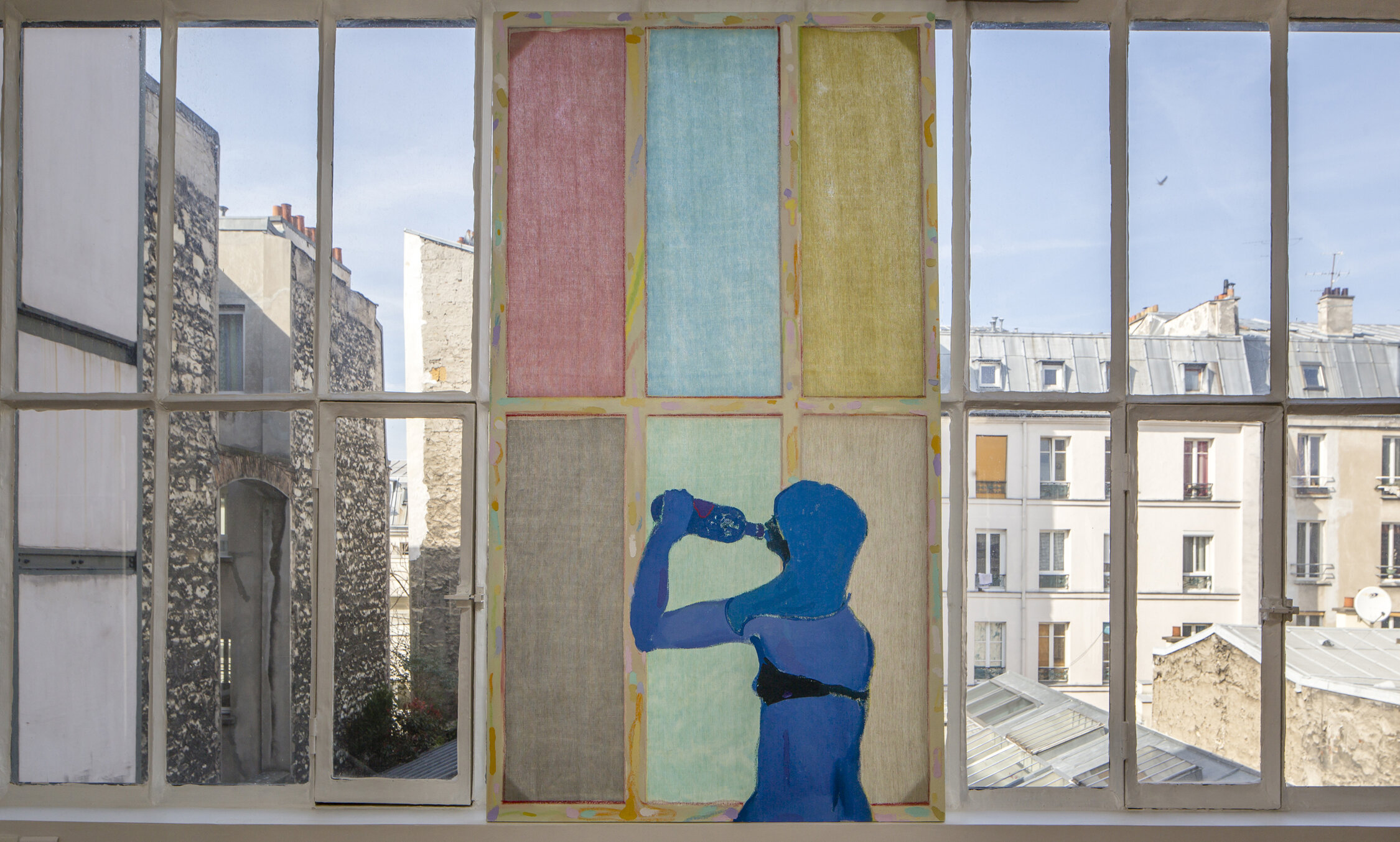
Oil, oil pastel, Parisian Apartment window, and fabric dyes on Moroccan linen
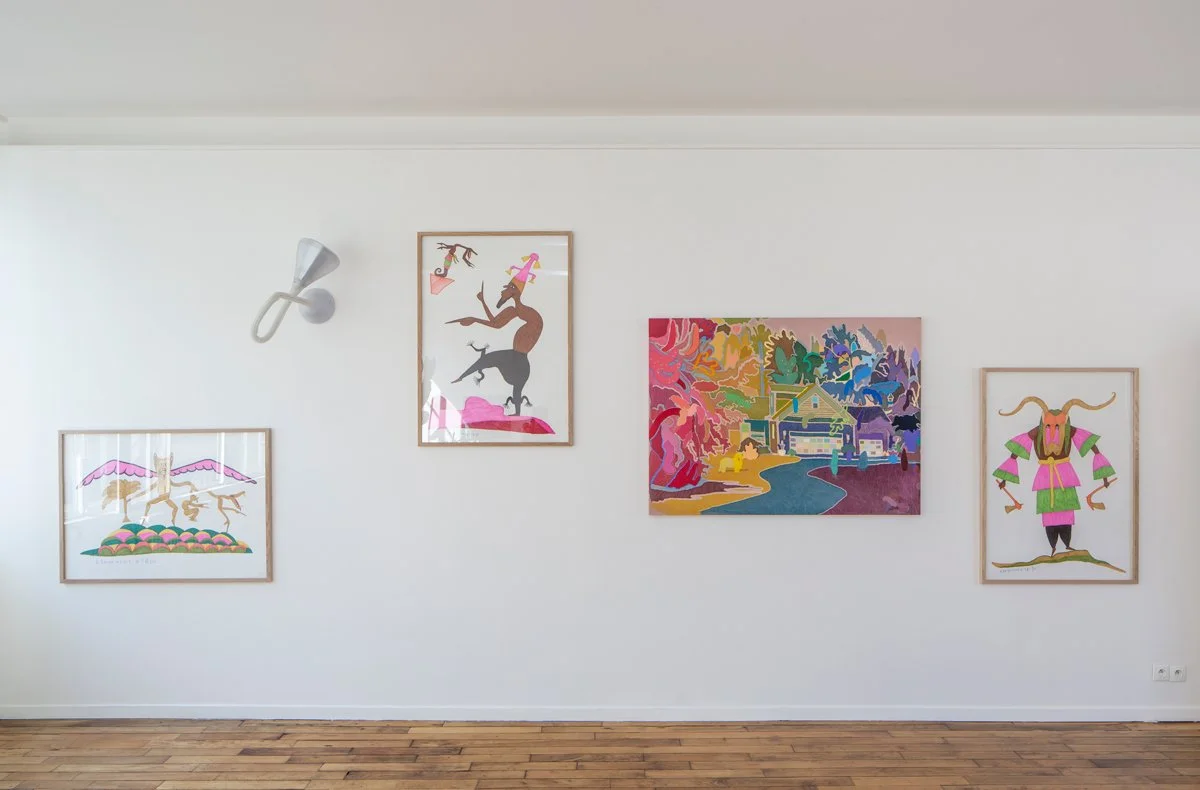
Taking cues from John Cheever’s short story The Swimmer from 1964, these paintings reflect upon surreality of the American dream, and its respective clientele. Whether seeing the landscape of suburbia from my perspective as a child growing up in the suburbs of Philadelphia, or reading it through Neddy Merrill’s mid-life crisis, the pictures subsume the memories and projections of a material and disconnected upper middle-class white American culture. The building of one’s dream house through a perfect marriage, the manicuring of one’s private backyard, to other socially acceptable events like cocktail parties are represented through hallucinatory fields of color and texture. The paradox of having too much and being spiritually aware of the deeper and larger truths found in nature resonate in these paintings. The work further seeks to address humanity’s disconnection from nature in the way Jean Jacques Rousseau outlines the conditions of private property in the second part of On The Origin of The Inequality of Mankind or from the classic natural observations found in the journals of Henry David Thoreau. In the spirit of Neddy Merrill, the protagonist of The Swimmer, I seek a geographic plan, both new and undiscovered in a system of private properties and false illusions. He sought a new waterway through his county in Connecticut by swimming from one neighbor’s pool to the next. Through his odyssey, the normal structures of his life begin to collapse around him. His creative rebellion puts into sharp focus the notion of why there are too many boundaries in our world and the demise that they cause to an individual’s psyche. However, these paintings may or may not be about anyone’s demise in particular but rely more on seeking beauty in the world as transformed from the everyday lived experience.
Leon Benn 4 November 2015. Paris, France
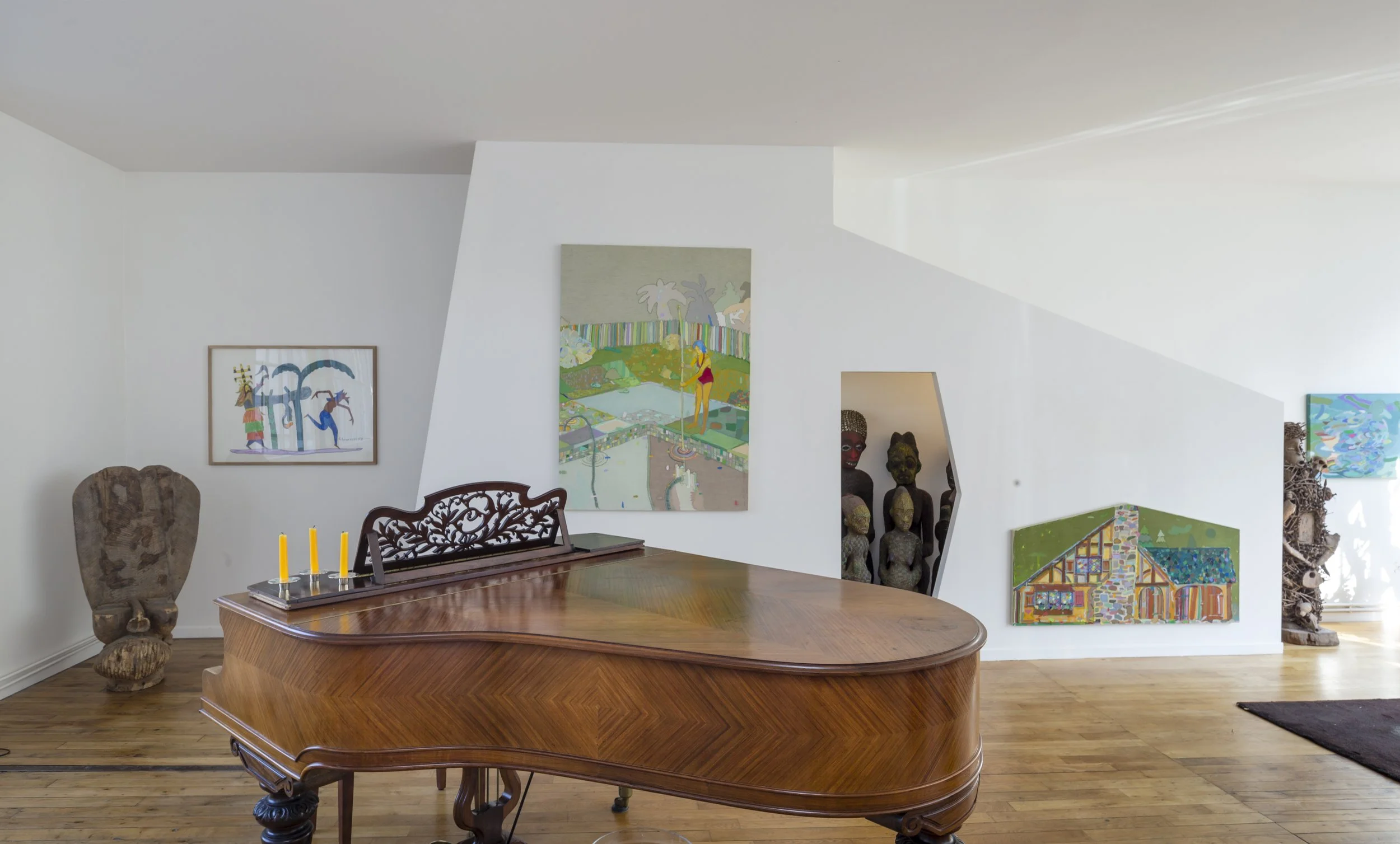
Paris, France
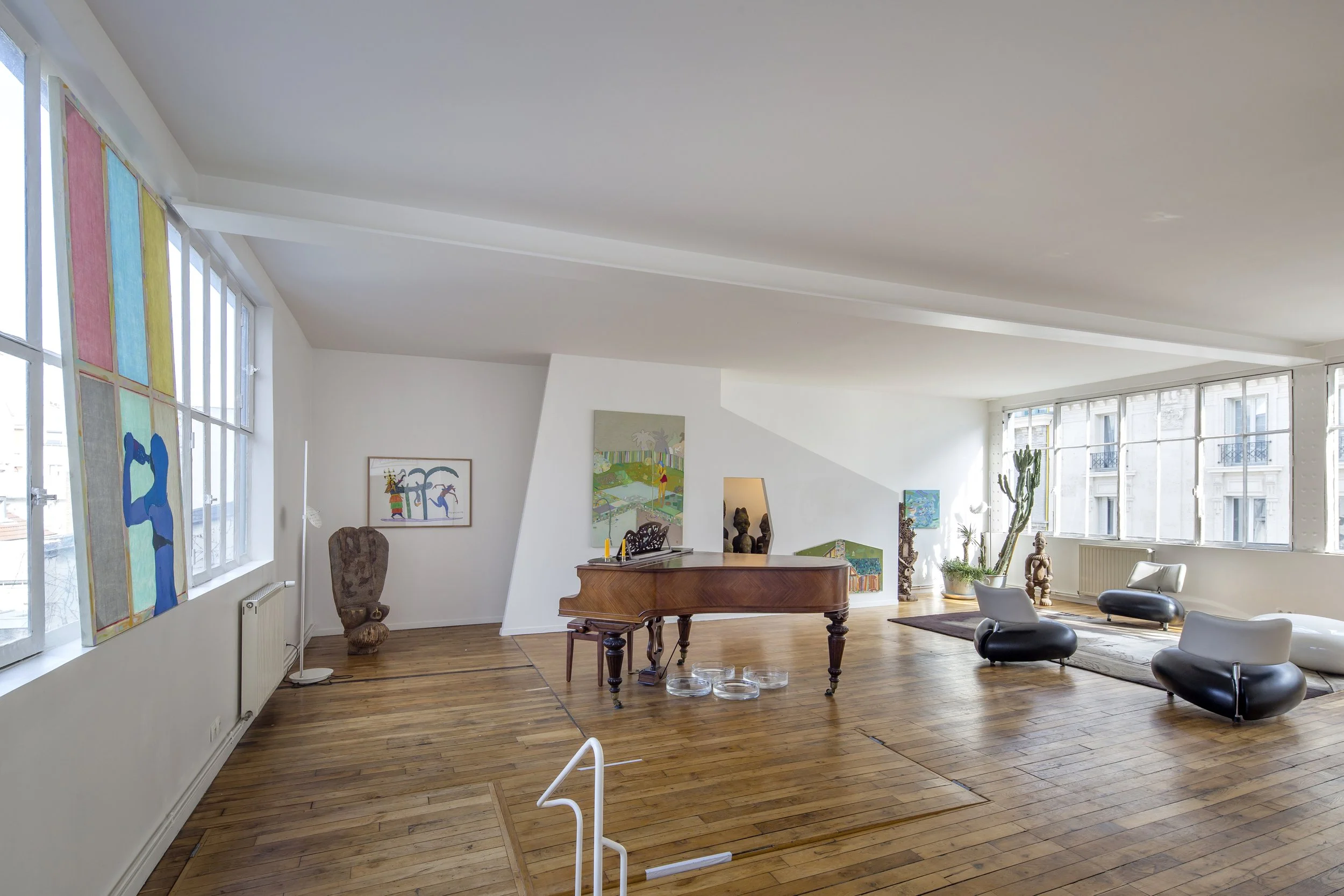
Paris, France

Paris, France
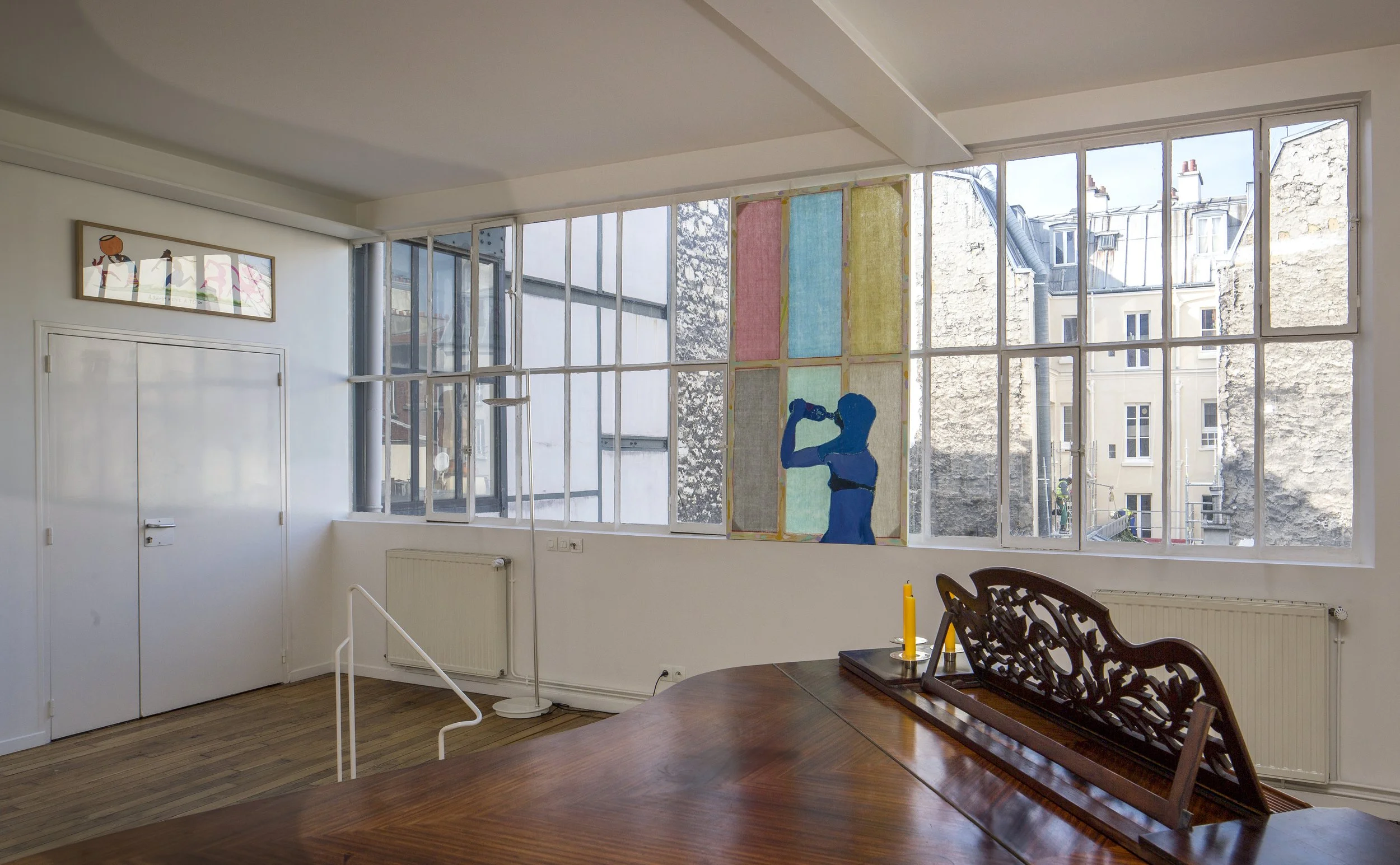
Paris, France